Hydroponics, an incredible & life changing passion!
Hydroponics is changing the way people grow—at home and at scale. Whether you're just getting started or looking to upgrade your setup, understanding the fundamentals can make all the difference. Below, we break down the most common hydroponic questions into a clear, no-fluff guide to help you grow faster, cleaner, and more efficiently.
1. What is hydroponics?
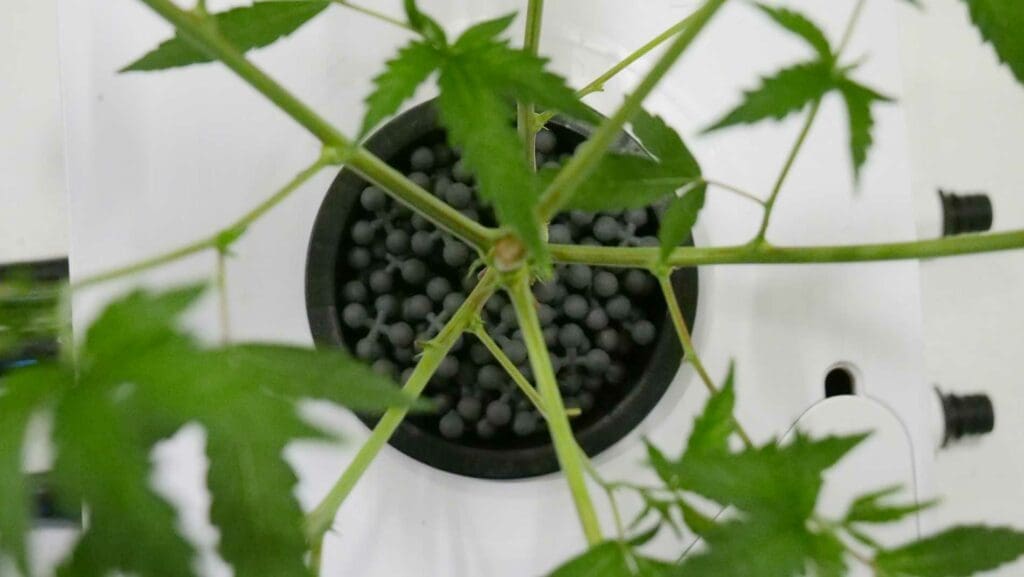
At its core, hydroponics is a method of growing plants without soil. Instead of relying on dirt, plants receive everything they need—water, nutrients, and oxygen—directly at the root zone.
This direct delivery system removes the guesswork and inefficiencies of traditional gardening. Roots don't have to "search" for nutrients, which allows plants to focus their energy on growth. The result? Faster development, healthier plants, and cleaner growing conditions.
2. How does hydroponics differ from traditional soil gardening?
The biggest difference is control!
In soil gardening, you're constantly battling variables—weather, pests, inconsistent nutrient levels, and water retention issues. Hydroponics removes most of those obstacles entirely. Without soil:
Weeds are eliminated
Pest pressure is significantly reduced
Nutrient delivery becomes precise and measurable
Water usage drops dramatically (up to 90% less)
Because everything is controlled and optimized, plants often grow up to 40% faster than their soil-grown counterparts.
3. What are the main benefits of hydroponics?
Hydroponics isn't just different—it's more efficient across the board.
Growers can expect:
Higher yields in less time
Year-round growing, regardless of climate
Major water savings with little to no runoff
Healthier root systems due to constant oxygen access
A cleaner, more manageable growing environment
For both hobbyists and serious growers, it's a system built for performance and consistency.
3. What are the main benefits of hydroponics?
Hydroponics isn't just different—it's more efficient across the board.
Growers can expect:
Higher yields in less time
Year-round growing, regardless of climate
Major water savings with little to no runoff
Healthier root systems due to constant oxygen access
A cleaner, more manageable growing environment
For both hobbyists and serious growers, it's a system built for performance and consistency.
4. What plants grow best in hydroponic systems?
Hydroponics is incredibly versatile, but some plants thrive more naturally in water-based systems.
Top performers include:
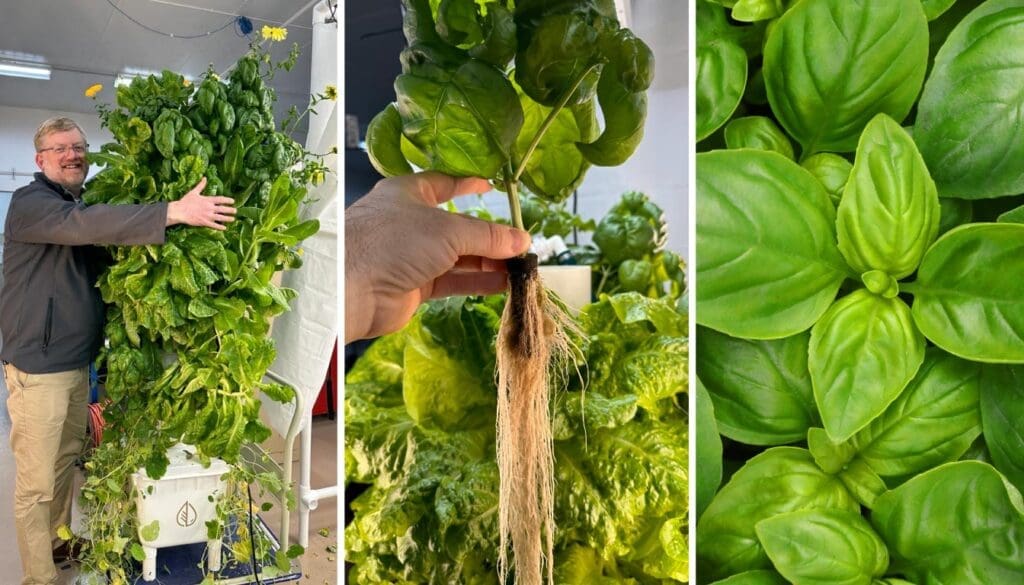
Leafy greens like lettuce, spinach, and kale
Herbs such as basil, mint, and cilantro
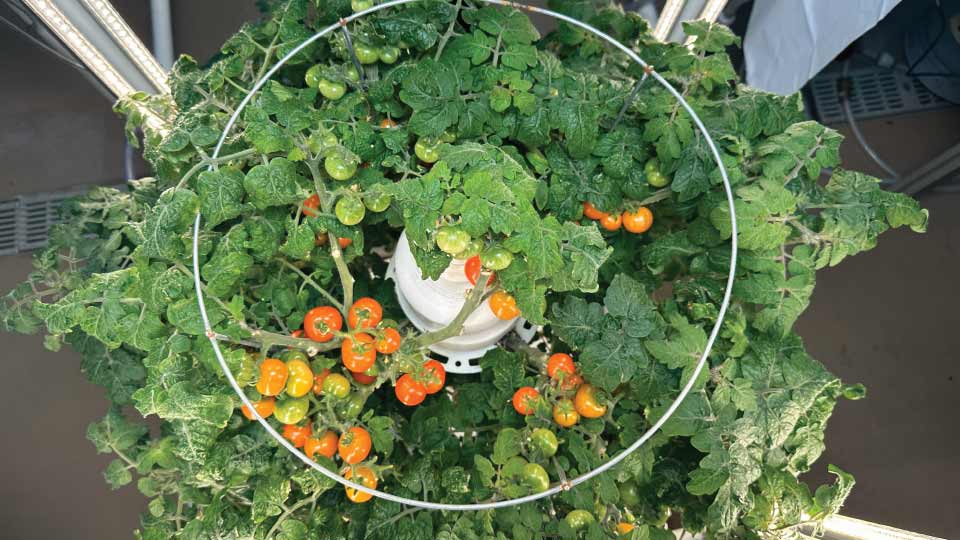
Fruiting plants like tomatoes and peppers
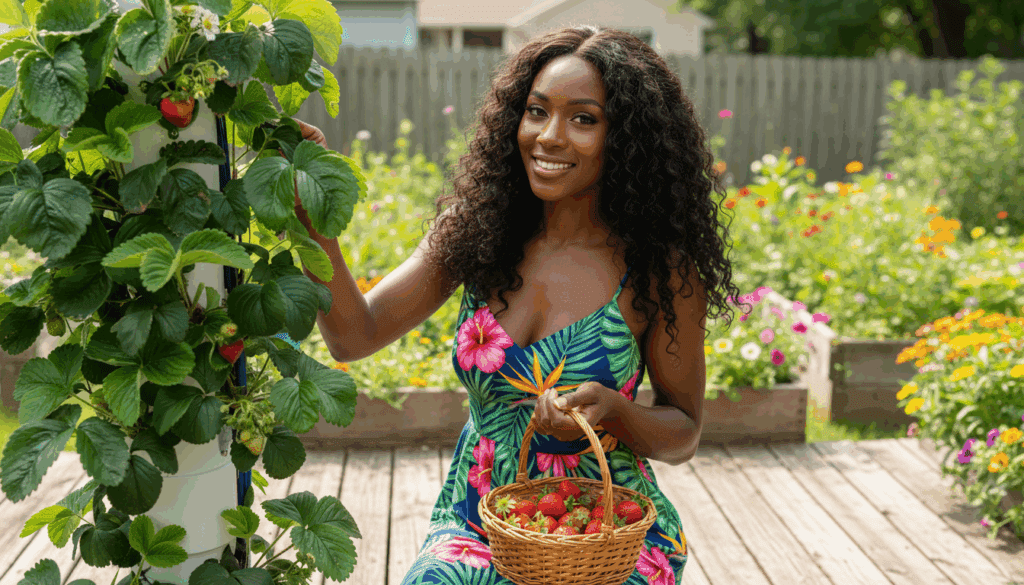
Strawberries and other compact fruits
Even longer-cycle or medicinal plants can flourish when given the right system and conditions. If it has roots, there's a good chance it can grow hydroponically.
5. What is Deep Water Culture (DWC)?
Deep Water Culture (DWC) is one of the simplest and most effective hydroponic methods available.
Â
In a DWC system, plant roots are suspended directly in nutrient-rich water that is continuously oxygenated. This constant access to water, nutrients, and oxygen creates an ideal environment for rapid growth.
Â
Because the roots are always "fed," plants experience less stress and can grow faster and more consistently compared to traditional methods.
6. What makes recirculating systems (RDWC) special?
Recirculating Deep Water Culture (RDWC) takes everything great about DWC and scales it up.
Instead of individual containers, RDWC systems connect multiple plant sites through a shared water system. Nutrient-rich water continuously circulates between all plants, ensuring:
Even nutrient distribution
Consistent pH and water conditions
Continuous oxygenation
No stagnant zones
This creates a balanced ecosystem where every plant performs at a high level—making RDWC a go-to for growers who want both efficiency and scalability.
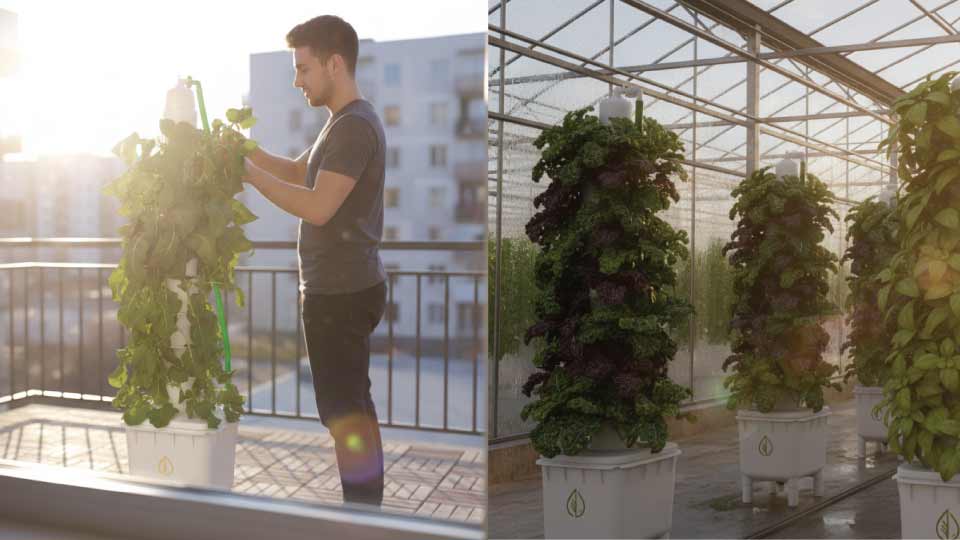
7. What is a vertical grow tower?
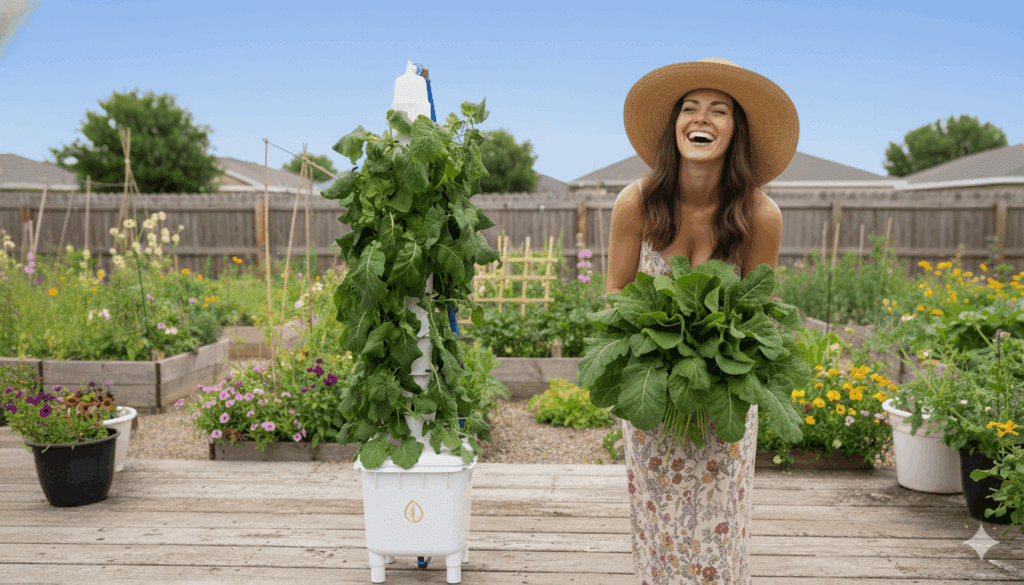
A vertical grow tower is designed to maximize output while minimizing footprint!
Â
Instead of spreading plants horizontally, vertical systems stack them upward in layers.
Â
This allows growers to produce significantly more in a smaller space—perfect for indoor grows, urban environments, or anyone looking to optimize square footage and maximize plant production.
Â
Vertical systems are especially effective for leafy greens and herbs, turning even a small area into a high-yield growing zone!
8. How do plants get oxygen in hydroponics?
Oxygen is critical for root health—and in hydroponics, it's delivered directly through the water.
Â
Advanced systems like HydraMax and Hydra Tower utilize venturi-based circulation technology. This method naturally injects air into moving water, creating a constant flow of oxygen-rich solution around the roots.
Â
The key advantage? No need for traditional air pumps or air stones. The system handles oxygenation automatically, resulting in healthier roots and more aggressive growth.
9. Is hydroponics worth it for beginners?
Short answer: absolutely.
Modern hydroponic systems are designed to be user-friendly while delivering professional-level results. For beginners, this means:
Less trial and error compared to soil
Faster feedback and visible growth
Reduced maintenance and cleanup
Long-term savings on water and nutrients
Systems like RDWC setups simplify the process even further by maintaining consistent conditions across all plants. It's one of the fastest ways to go from beginner to confident grower.
10. What systems does Hydra Unlimited offer?
Hydra Unlimited focuses on high-performance, ready-to-grow hydroponic solutions built for both beginners and experienced growers.
Â
Our lineup includes:
HydraMax RDWC systems for powerful, recirculating deep water culture growing
Hydra Tower vertical systems for space-saving, high-yield production
Both systems are engineered with advanced venturi technology to maximize oxygen delivery and plant performance—giving growers a serious edge without adding complexity.
Final Thoughts!
Hydroponics isn't just a trend—it's a smarter way to grow. By removing soil and dialing in exactly what plants need, growers gain more control, better results, and a cleaner overall experience.
Â
Â
Whether you're growing herbs in your kitchen or scaling up to a full system, hydroponics offers a faster, more efficient path to success!